Coverage Continuity: A UK Analyst's Response When Sell-Side Research Fades
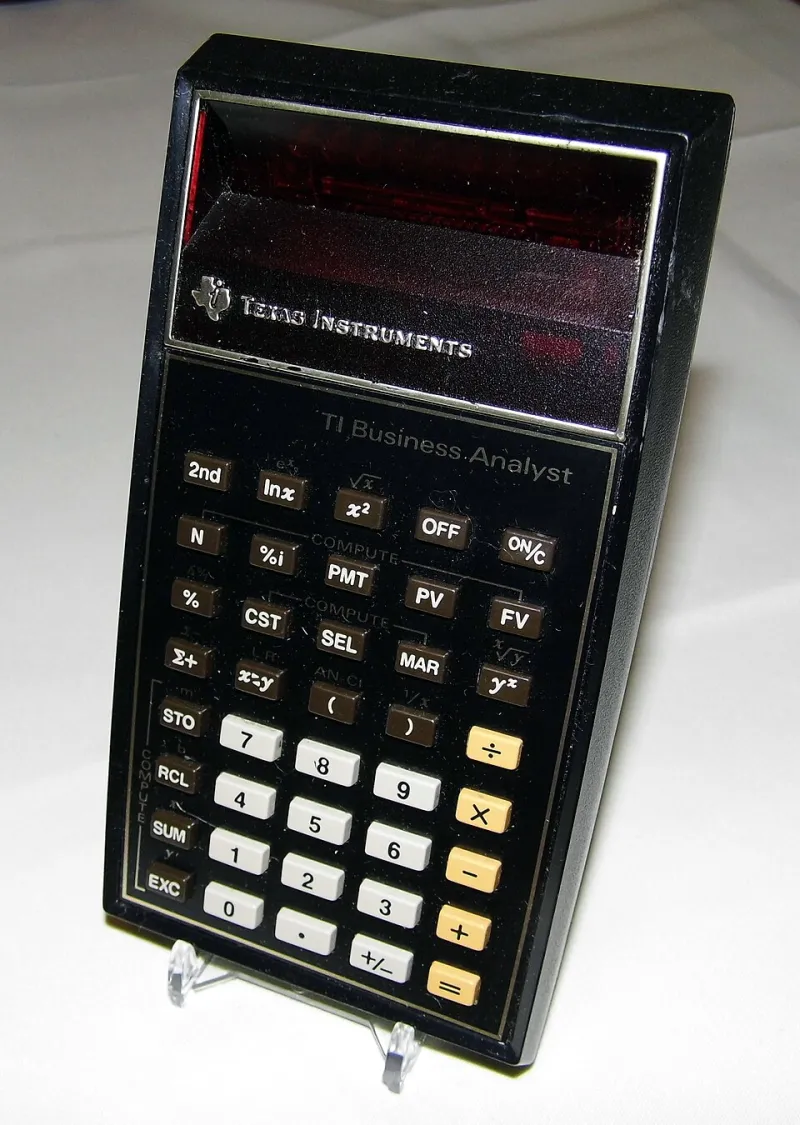
Photo: Joe Haupt from USA, CC BY-SA 2.0, via Wikimedia Commons
Sell-side research is not a public utility. It is a commercial service, and its provision can contract without a formal notice to the market. A broker may stop publishing after a downgrade, an analyst departure, a corporate broking change or a merger. In other cases, coverage simply becomes less frequent: the note after results does not appear, the model is not refreshed, and the estimate set begins to age.
For UK equity analysts, the consequence is not merely a thinner reading pile. It is a change in the quality of price discovery. Estimates become stale, target prices lose their reference point and the market's collective view of a company can become harder to test. The right response is not to mourn the loss of a note but to rebuild the information set deliberately, and to record what has changed.
Detect the withdrawal before the gap widens
Coverage loss is easier to manage when it is identified early. Analysts should maintain a coverage register for each holding and watchlist name. The register does not need to be elaborate. It should record the date of the last substantive note, the vintage of the estimates, the number of contributing brokers, the last rating change and the date of the most recent target price revision.
Set explicit triggers. A missed update after an annual or interim result is a warning. Two missed scheduled updates, or estimates that have not moved through a full reporting cycle, are stronger signals. A change of corporate broker, a merger involving a covering house or the departure of a named analyst should prompt a review rather than a passive wait.
Company communications can also reveal the shift. If a trading update or capital markets day attracts a narrower range of published estimates than usual, the consensus may be thinner than it appears. For smaller quoted companies, where three or four contributors can constitute the whole estimate set, the disappearance of one broker can materially alter the apparent consensus.
Rebuild the evidence hierarchy
When coverage fades, the first instinct is to search for a substitute note. That is understandable but incomplete. The more durable approach is to rebuild the evidence hierarchy from primary sources. Annual reports, interim accounts, trading updates, regulatory news announcements and capital markets day materials should become the spine of the analysis. Segment disclosures, cash conversion, covenant headroom and management guidance should be extracted directly rather than inferred from a broker summary.
Peer data comes next. UK analysts are well served by comparing margins, returns, leverage and valuation multiples across a defined peer set. The aim is not to manufacture false precision but to establish a range of plausible outcomes. Where company-compiled consensus is available, it should be used with care: note the number of contributors, the date of compilation and whether the estimates have been refreshed since the last results.
Analysts should also distinguish between information that has disappeared and information that was never robust. A single broker's estimate is not a market consensus. A target price is not a valuation truth. When coverage thins, the investment case should be expressed as a range of values with clearly stated assumptions, not as a point estimate inherited from a note that is no longer maintained.
Separate valuation uncertainty from liquidity risk
Coverage loss affects two different things, and they should not be conflated. The first is valuation confidence. With fewer independent estimates, the dispersion of outcomes may widen. That should be reflected in scenario analysis, position sizing and the discount rate applied to uncertain cash flows. It does not automatically mean a company is worth less, but it does mean the analyst should demand a wider margin of safety before acting.
The second is liquidity. Reduced research can lower visibility, narrow the investor base and, in some cases, affect trading activity. UK small and mid-cap names can be particularly sensitive. Analysts should monitor average daily turnover, bid-ask spreads and free float alongside the research register. A useful test is to estimate the number of days required to exit a position at a reasonable participation rate, then stress that estimate against a wider spread and lower volume.
Investment committees should see both dimensions. A valuation range without a liquidity assessment is incomplete, and a liquidity note without a valuation view is equally thin.
Make the coverage change visible in the committee record
A short coverage continuity memo is a practical governance tool. It should state when the change was detected, what appears to have caused it, which estimates are now stale, what replacement sources have been used and how the valuation range has changed. It should also record the liquidity implications and the triggers that would prompt a further review.
That record matters for two reasons. It imposes discipline on the analyst, and it gives the committee a clear account of why a valuation may have moved for reasons unrelated to the company's trading. It also guards against the quiet drift that occurs when an old note continues to circulate after its assumptions have lost contact with events.
A professional habit, not a one-off exercise
Coverage continuity should be treated as part of the ordinary analytical routine. For UK finance professionals, the standard is not the availability of a broker note but the quality of the evidence trail. Review the register at each results season, refresh the primary-source model after every trading update and document the moments when the external research base changes.
The sell-side will continue to adapt to its own economics. Analysts cannot control that. They can control whether their valuation work depends on a service that may quietly withdraw. The playbook is simple: detect early, rebuild from primary evidence, separate valuation from liquidity and put the change on the record.